
 Follow Us On Google
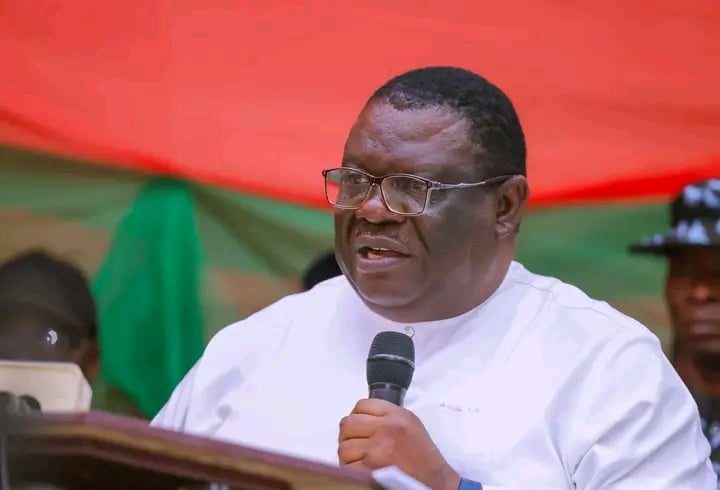
The Peoples Democratic Party (PDP) governorship candidate in Benue State, Michael Aondoakaa, has dismissed claims that the incumbent governor is guaranteed victory in the 2027 governorship election.
Aondoakaa said the people of Benue would decide whether the sitting governor deserves another four-year term when they go to the polls, Naija News reports.
Speaking with journalists in Makurdi on Monday, the PDP candidate rejected the argument that no sitting governor had ever lost a re-election bid in the state.
He said the law only gives a governor an initial four-year mandate, while the second term depends on the decision of the electorate.
“The law does not give a governor eight years. It gives a governor four years. The other four years are what the people give you,” Aondoakaa said.
The PDP candidate said his confidence was based on what he described as poor access to the incumbent administration, insecurity and uneven distribution of development across Benue State.
According to him, previous governors who won second terms were able to maintain closer relationships with the people.
Aondoakaa stressed that accessibility remained important to the people of Benue, saying residents wanted a governor they could reach and interact with.
“People in Benue value access. If our governor cannot be accessed, who will vote for you again? Even if you don’t give them anything, the fact that they come to you and you welcome them and talk to them, they feel at home,” he said.


Join the conversation
Comments
Want to discuss? Please read our Commenting Policy first.