

The Commander of the United States Africa Command, Gen Dagvin Anderson, has said the number of Islamic State fighters surrendering in Nigeria has risen by more than 200 per cent since a joint Nigerian-US operation in May.
According to ThisDay, Anderson made this known on Monday on the sidelines of the Africa International Defence Exhibition in Lagos.
He attributed the surge to the impact of the operation, which targeted a top ISIS commander, and the military offensives that followed.
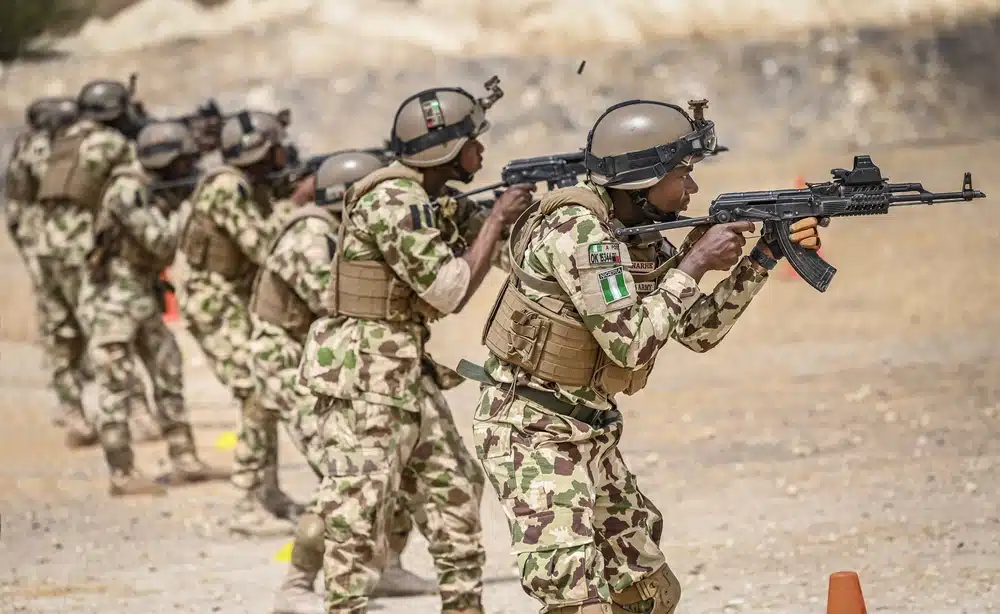
The AFRICOM commander said the US was still working closely with Nigeria’s security agencies by providing intelligence, specialised capabilities and training.
He described the partnership as key to the success of the May operation.
“The partnership with the Nigerian Armed Forces and Nigerian intelligence was exceptional, and that’s what really enabled that partnership to happen and to take out the number two terrorist in the world for ISIS,” he said.
Anderson explained that the collaboration combined local knowledge with global intelligence.
“Some of it is intelligence, but also understanding of the terrorist network globally. And so Nigeria brings the regional and local understanding, while we bring the global network understanding, and together that becomes very powerful,” he added.
The general, however, noted that military assistance alone could not end the country’s security problems, including terrorism and kidnapping.
He stressed the need for investment in good governance and development.
Speaking on the exit of Mali, Burkina Faso and Niger from ECOWAS, Anderson said the US was looking to resume dialogue with the three countries to improve security cooperation in the region.
He listed terrorism financing, piracy, smuggling, drug trafficking and illegal fishing as other major security threats.
Anderson said the rise in defections, coupled with a decline in attacks and violence, showed progress.
He also commended Nigeria’s programme to rehabilitate and reintegrate repentant insurgents into society.
“How do you take the growing youth population and channel that energy for a positive effort? And to me, that’s what we all need to work on, but it has to be done locally,” he said.





Join the conversation
Comments
Want to discuss? Please read our Commenting Policy first.