
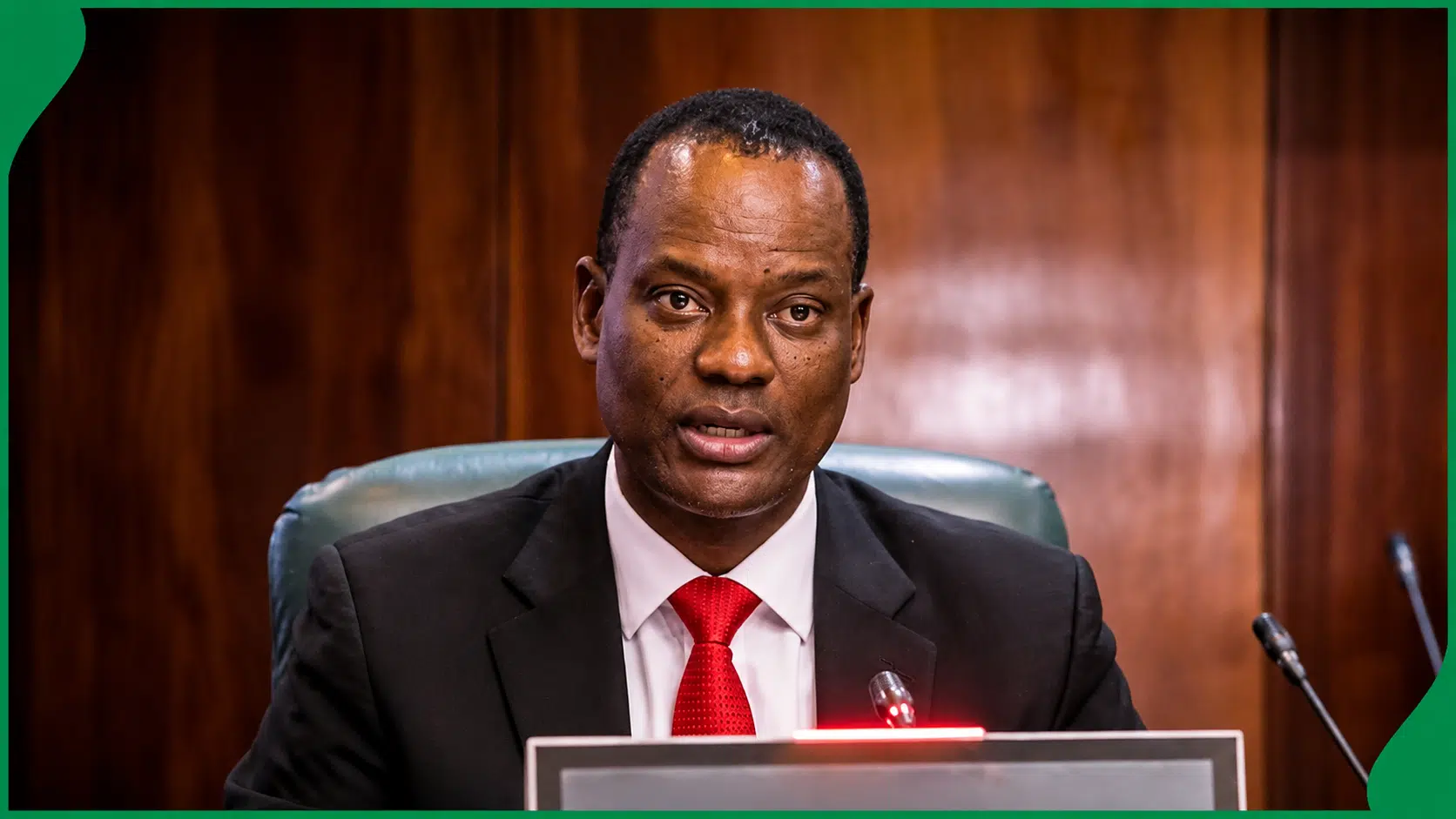
The Minister of Finance and Coordinating Minister of the Economy, Taiwo Oyedele, has explained why the price of goods in the market remains high despite falling inflation.
He explained that declining inflation means that prices of goods and services will rise at a slower rate and not fall.
Naija News reports that Oyedele spoke on Tuesday at the Global Alliance World Public Relations Forum in Abuja.
He said the continued high cost of essential commodities, including bread and milk, had fuelled public doubts about declining inflation figures, highlighting the need for better communication of the government’s economic reforms.
Using the latest inflation figures as an example, the minister said Nigeria’s inflation rate for October 2026 stood at 14.06 per cent, its lowest level in six years, describing the development as a direct reflection of the reforms introduced by the administration of President Bola Tinubu.
He said, “The confusion is understandable, and we must own our part of it. Falling inflation does not mean falling prices. It means prices are rising more slowly than before.”
Continuing, Oyedele explained that households could find it difficult to accept declining inflation figures when their daily market expenses remained high, adding that the disconnect could undermine confidence in official economic data.
According to him, when consumers lose confidence in inflation figures, their expectations could influence market behaviour, as traders and producers increase prices in anticipation of further increases in the cost of goods.
He said, “When people stop believing in numbers, they expect prices to rise, and expectations behave like instructions. So traders mark up in advance. Producers protect themselves. The baker and the dairy supplier price in that increase because they fear prices will go up. And the increase arrives in higher prices of bread and milk. It’s a self-fulfilling cycle.”
The minister argued that government communication must acknowledge the economic realities confronting households while explaining improvements in macroeconomic indicators.
“An improving indicator does not mean a struggling family’s experience is untrue. Just as a struggling family’s experience does not make an improving indicator false. Responsible communication must make room for both, which is how we explain progress without appearing indifferent to hardship,” he said.
He also blamed misinformation and distorted public narratives for undermining the government’s tax reforms, saying some commentators and analysts misrepresented provisions designed to protect small businesses and exempt low-income earners.
“Neighbours become strained. Our borders run through places where people have traded, worked, and raised families for generations. Whatever differences governments may have, those ties endure.
“Nigeria values dialogue with our fellow members of ECOWAS and our neighbours in the Sahel because there are practical matters we must continue to address together, from keeping trade routes open to protecting communities that face common security threats,” he said.


