
 Follow Us On Google
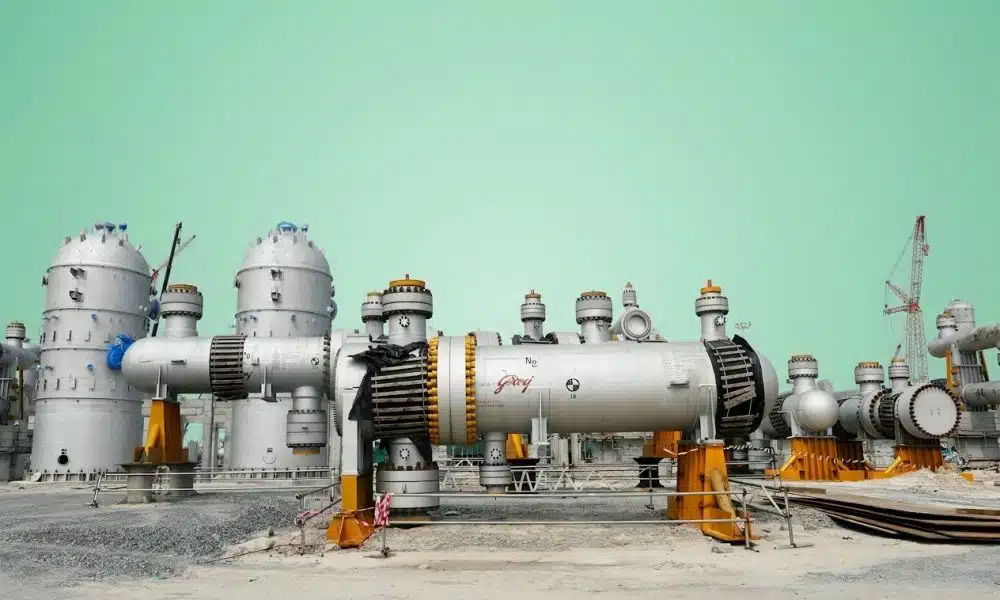
The Dangote Petroleum Refinery has stopped selling Premium Motor Spirit, commonly known as petrol, to major marketers that import the product into Nigeria.
A refinery official confirmed the development to Punch, saying the decision stemmed from concerns that some importers were blending refinery-supplied petrol with imported products.
“We are not selling petrol to those who are importing, since they are trying to blend our high-quality products with their ultra-low-quality imported products,” the source said.
Another source said the refinery was instead prioritising sales to independent petroleum marketers and other buyers who do not import petrol.
“We are selling to independent marketers and others who are not importing,” the source stated.
The development is believed to have contributed to concerns among some marketers over their ability to secure supplies, with some subsequently approaching the court over the continued issuance of petrol import licences by the Nigerian Midstream and Downstream Petroleum Regulatory Authority.
Marketers reportedly feared they could face supply challenges if they could not import petrol while the Dangote refinery restricted sales to importing companies.
The refinery had previously warned that it could stop doing business with importers whom it accused of blending its Euro-5 petrol with imported grades.
The company said it was concerned that such practices could make it difficult to distinguish between petrol supplied directly by the refinery and products subsequently mixed or handled by third parties.
“It is difficult to understand why we would invest heavily in producing high-quality petroleum products for Nigerians, only for those products to be mixed with imported products of uncertain quality and the resulting product to be associated with the refinery,” the refinery had said.
However, some petroleum marketers have criticised the decision, describing it as an attempt to restrict petrol imports.
The marketers also challenged the refinery to provide evidence that imported petrol entering the Nigerian market failed to meet the required quality standards.
One marketer said, “We know what Dangote is trying to do. He is just trying to block imports.”
The marketer argued that a supplier could not tell whether consumers or marketers should mix petrol from different sources.
Using motorists as an example, the marketer said a customer could buy petrol from one filling station and later purchase from another without either supplier being able to prevent the products from being mixed in the vehicle’s tank.
“For example, when you buy petrol from a TotalEnergies station, and you go down the road, and your petrol is almost finished, you then buy from MRS. Can TotalEnergies say you should not mix its petrol with MRS petrol? No, it can’t. I don’t understand the game that the Dangote refinery is playing,” the marketer said.
Another marketer argued that the Federal Government had a responsibility to ensure adequate petrol supply, maintaining that imports would remain necessary whenever domestic production was insufficient.
The National Vice Chairman of the Independent Petroleum Marketers Association of Nigeria, Hamed Fashola, said the refinery appeared to be selective in deciding which marketers it would supply.
“I don’t know how far that is correct; Dangote now sells to only IPMAN. I think somehow the information I have is that Dangote is selective about it, say those that are involved in importing. I think it’s not everybody that is importing,” Fashola said.
He explained that independent marketers were primarily interested in securing products at competitive prices and could source from both domestic refineries and importers.
“We buy our product anywhere we feel it is cheap. Anywhere we see the product, we go for it, both Dangote and the importers. We always go for the best price,” he stated.
The National Publicity Secretary of IPMAN, Chinedu Ukadike, said the refinery remained willing to transact with marketers.
He said independent marketers were prepared to purchase petrol from different suppliers, adding that they were not currently involved in importing the product.
Ukadike said he could not confirm whether importers were blending Dangote petrol with imported products, but argued that the refinery was entitled to take measures it considered appropriate to prevent adulteration.
“I believe that the Dangote refinery is open for business and that it will continue to sell to marketers. The issue of blending, I cannot say yes or no, because I’m not part of those who are importing. Independent marketers are not importing yet; we are just marketers who buy and sell,” he said.
He added, “So, if there is any measure to discourage adulteration of petroleum products by Dangote, I think the refinery and its experts know best. They know the best way to deal with that.
“But our own is to continue to buy and sell to marketers. If there is a way to discourage adulteration of petroleum products, I won’t stop Dangote from doing so.”



Join the conversation
Comments
Want to discuss? Please read our Commenting Policy first.