Fuel Prices May Drop As Crude Oil Falls Amid US, Iran Talks
 Make us a preferred source
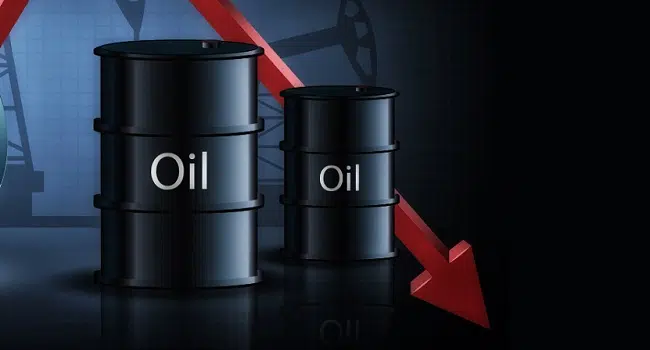
Fuel prices may drop in the coming days if global crude oil prices continue to fall following ongoing peace talks between the United States (US) and Iran.
Oil prices fell sharply on Monday morning, dropping from $111 last week to $97.48, amid growing optimism that diplomatic efforts could lead to the reopening of the Strait of Hormuz.
The decline has raised expectations that petrol, diesel and aviation fuel prices may ease if the downward trend continues.
It was earlier projected that a major drop in crude oil prices could follow if the United States and Iran reached an agreement to reopen the Strait of Hormuz.
As of Sunday, Brent crude hovered between $103 and $105 as positive signals emerged from both sides over efforts to end the months-long conflict.
However, by the early hours of Monday, May 25, prices had fallen to $97.48, fuelling speculation that fuel prices could begin to drop if supply routes stabilise.
The Strait of Hormuz remains one of the world’s most important oil routes, with about 20 per cent of global oil passing through the waterway.
Crude Surge Pushed Petrol To ₦1,300
Crude oil, which is the major input for fuel production, had risen sharply since the United States-Iran conflict began on February 28.
Before the crisis, crude traded below $70 per barrel, but within about three months of the conflict, prices rose above $100 and crossed $115 at some points.
The surge triggered higher fuel prices across the world.
In Nigeria, petrol prices rose from ₦830 per litre to about ₦1,300 per litre.
Diesel and aviation fuel prices also increased significantly, with airline operators at one point threatening to suspend operations over rising costs.
Dangote Refinery Price Cut Speculated
As crude prices continued to fall in recent days, speculation intensified that the Dangote Petroleum Refinery could consider reducing petrol prices.
Industry observers said a sustained decline in crude oil prices could lower the cost of production and import parity pricing, potentially easing pressure on domestic fuel prices.
However, they noted that any immediate reduction would depend on several factors, including crude supply costs, foreign exchange rates, logistics, refinery pricing decisions and market competition.
US, Iran Talks
Reports indicated that the United States and Iran had agreed in principle to a deal aimed at winding down the conflict in the Middle East and reopening the Strait of Hormuz.
US President Donald Trump said on Saturday that the waterway would be reopened as part of a proposed agreement involving the United States, Iran and several Middle Eastern countries.
Trump disclosed this in a post on Truth Social after a series of calls with leaders of Saudi Arabia, the United Arab Emirates, Qatar, Pakistan, Türkiye, Egypt, Jordan, Bahrain and Israel.
According to him, the agreement had been negotiated but was still subject to finalisation between the United States, Iran and other countries involved in the talks.
He said final details were still being discussed and would be announced shortly.
Speaking further on Sunday, Trump said talks with Iran were “proceeding in an orderly and constructive manner.”
He added that he had instructed his representatives not to “rush” into a deal because time was on their side.
The US leader said the aim was to reach a workable agreement that would reduce tension in the region and restore stability to the strategic oil route.
Iran Says Agreement Not Imminent
Iran also confirmed on Monday that talks with the United States were progressing, though it cautioned that an agreement was not yet imminent.
Foreign ministry spokesman Esmail Baqai said in Tehran that progress had been made on several issues, but it was too early to say a deal was ready for signing.
He said, “It is correct to say that we have reached a conclusion on a large portion of the issues under discussion. But to say that this means the signing of an agreement is imminent, no one can make such a claim.”
His comment came after US Secretary of State Marco Rubio said an agreement could possibly be reached on Monday.
The reported memorandum of understanding between the United States and Iran is said to include a 60-day ceasefire extension, the reopening of the Strait of Hormuz and a framework for further negotiations over Iran’s nuclear programme.
If implemented, the agreement could ease pressure on global oil supply routes and further reduce crude prices.
For Nigeria, a sustained fall in oil prices could bring relief to consumers who have faced high petrol, diesel and aviation fuel costs since the escalation of the Middle East conflict.
However, any reduction at the pump may not be automatic, as domestic pricing will still depend on market conditions, exchange rate stability and decisions by fuel suppliers.
Author:

Report an error in this article

Dangote Dumps Naira Pricing, Unveils New Petrol Price In US Dollar

US Ready To Launch 1000 Missiles On Iran If I Am Assassinated – Trump Declares

Fuel Price: Dangote Begins Free Petrol Delivery Across States

US-Iran Truce Over – Trump Declares After Fresh Strikes

Fresh Tension As US Bombs Iran Over Strait Of Hormuz Attacks