Witnesses appearing before the United States Congress Foreign Affairs Committee have cautioned that Nigeria is at risk of descending into widespread Christian–Muslim violence, describing the country as a key flashpoint in a growing global crisis of religious freedom.
The warning, contained in written testimonies released ahead of a joint congressional hearing scheduled for Wednesday (today), cited recurring killings, mass displacement and deepening insecurity as early signs of broader conflict along religious lines.
The hearing, titled “Defending Religious Freedom Around the World”, is being convened jointly by the House Subcommittee on Africa and the Subcommittee on the Western Hemisphere to assess what US lawmakers describe as mounting threats to religious liberty globally.
Among those slated to testify is former US Ambassador‑at‑Large for International Religious Freedom, Sam Brownback, whose prepared testimony paints a stark picture of rising religious persecution.
“Radical, militant Islam continues its purification efforts throughout the MENA region and beyond,” Brownback wrote.
He singled out Nigeria and Syria as “key focus areas” for militant expansion, warning that violence targeting religious communities in Nigeria could spill over beyond its borders.
“The people of faith being targeted by this persecution are America’s greatest allies in the spread of freedom around the world. We should see and treat them as such,” he said.
Brownback described religious freedom as a growing fault line in global politics and a tool in the struggle against authoritarianism.
“Religious freedom is now one of our primary weapons against the dark alliance gathered against us,” he stated.
He also painted Nigeria as “the deadliest place on the planet to be a Christian,” adding that “early warning signs of a Muslim‑on‑Christian war are brewing across Africa,” with Nigeria “at the centre of that danger.”
Foreign Influence Could Worsen Nigeria’s Instability Brownback
The ex‑envoy flagged foreign involvement by countries such as China, Russia, Turkey and Saudi Arabia as potential exacerbators of Nigeria’s security challenges if left unchecked.
He urged US policymakers and international partners to act decisively to prevent violence from escalating into mass atrocities akin to those experienced in Iraq.
In his own testimony, former chair of the US Commission on International Religious Freedom (USCIRF), Dr. Stephen Schneck, warned that religious freedom worldwide is in a historic crisis caused by rising authoritarianism, religious nationalism and failing states.
“Freedom of religion or belief is in crisis in the contemporary world,” he wrote.
Schneck identified Nigeria, Syria and Sudan as countries where weak governance and insecurity have created perilous conditions for communities of faith.
“Both Nigeria and Syria are experiencing high levels of societal insecurity … their governments have been unable to halt widespread violence against communities of faith,” he said.
He expressed concern about the US government’s performance under the International Religious Freedom Act (1998), saying Washington’s actions have not matched its rhetoric.
“We have been long on rhetoric and short on substance, consistency and effectiveness,” Schneck said.
Nigeria Unique In CPC Designation, Schneck Notes
Schneck criticised delays by the US State Department in issuing updated designations under the International Religious Freedom framework, noting that, “apparently, Nigeria … is the only country in the world currently designated as a Country of Particular Concern.”
He warned that focusing advocacy narrowly on Christian persecution undermines the universality of religious freedom.
“International religious freedom, as defined in human rights law, is universal. Selective advocacy undermines both effectiveness and legitimacy,” he stated.
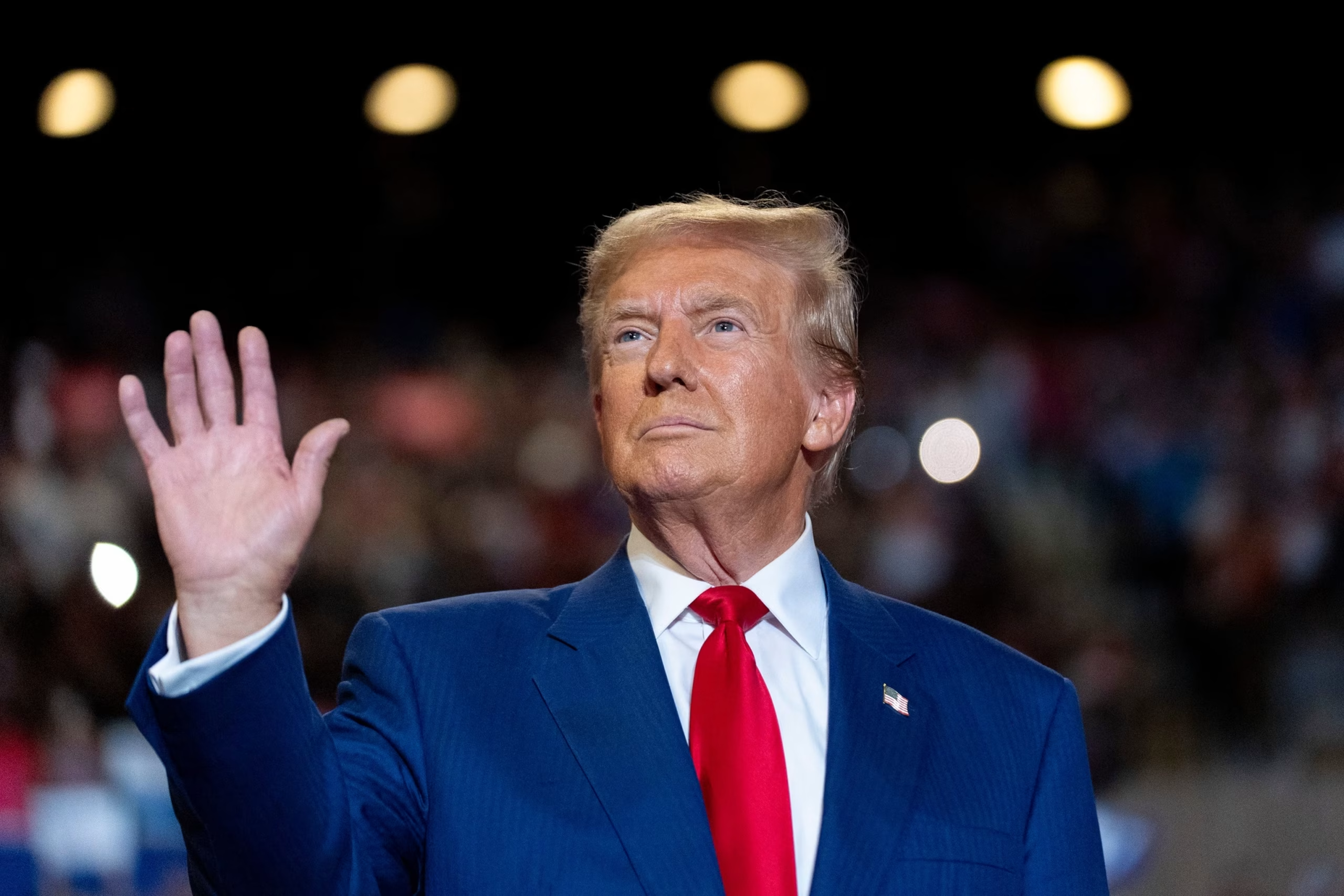
Last year, former US President Donald Trump redesignated Nigeria as a Country of Particular Concern (CPC) over alleged religious freedom violations, a move followed by a US military strike on terrorist hideouts in Sokoto.
The Federal Government has repeatedly rejected claims of systemic persecution, maintaining that insecurity affects citizens of all faiths.
In an ongoing diplomatic engagement, US Secretary of War Pete Hegseth hosted Nigeria’s National Security Adviser, Nuhu Ribadu, at the Pentagon in November 2025 to discuss coordinated strategies.
In December, Ribadu also hosted a US congressional delegation in Abuja as part of efforts to strengthen security cooperation between both countries. Last month saw a plenary session of the Nigeria‑US Joint Working Group on Nigeria’s CPC designation.