
North-West Governors Blame Skills Gap, Industrial Decline For Region’s Deepening Crisis
 Follow on Google News

Governors Uba Sani of Kaduna State and Abba Yusuf of Kano State, alongside former Minister of Communications, Prof. Isa Ali Pantami, have linked the worsening socio-economic conditions in Nigeria’s North-West to a widening skills gap and the collapse of industries that once powered the region’s economy.
They made the remarks on Saturday at the maiden North-West Stakeholders Development Summit, organised by the Joint Senate and House of Representatives Committees on the North-West Development Commission at the Umaru Musa Yar’Adua Conference Centre in Kaduna.
The leaders agreed that rising insecurity, poverty, youth unemployment and the growing number of out-of-school children in the region are not isolated problems but signs of deeper structural weaknesses rooted in weak education systems and the erosion of industrial capacity.
Speaking on behalf of Governor Sani, Kaduna State Deputy Governor Dr Hadiza Balarabe said the challenges facing the North-West had outgrown what individual states could handle, calling for a coordinated regional approach.
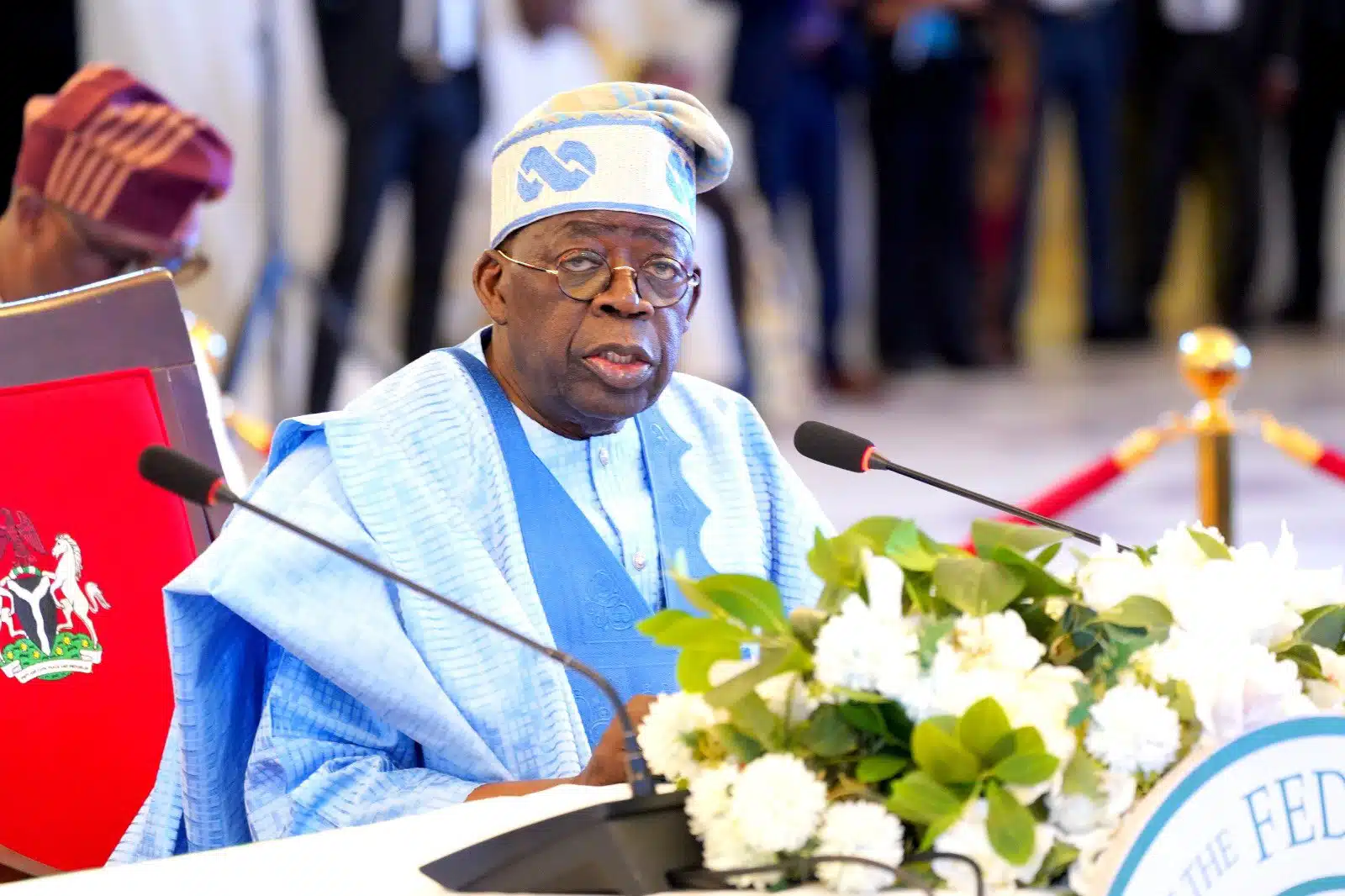
She described the establishment of the North-West Development Commission by President Bola Tinubu as a strategic step to address long-standing development gaps through a focused, accountable institution.
According to Governor Sani, the commission must rise above red tape and serve as “a catalyst that aligns policies, mobilises investment and ensures that development efforts across states reinforce, rather than duplicate, one another.”
He noted that, with a population exceeding 50 million, largely young citizens, the region stands at a critical turning point.
“This youth bulge can either become a demographic dividend or a destabilising burden, depending on how we invest in education, skills and jobs,” he said.
Sani cautioned against endless policy debates that fail to translate into real impact, adding: “Our people are not short of reports; they are short of results. This summit must produce actionable roadmaps with measurable outcomes.”
Kano State Governor Abba Yusuf, represented by Secretary to the State Government Alhaji Umar Ibrahim, described the region’s predicament as the product of “twin and intertwined challenges” of insecurity and the steady deterioration of the education sector.
He said criminal activities such as banditry, kidnappings and cattle rustling have displaced thousands of residents, devastated farmlands and disrupted commercial activities, further deepening poverty across the sub-region.
Yusuf also lamented the state of public education, pointing to overcrowded classrooms, failing infrastructure, a shortage of qualified teachers and inadequate learning materials.
“These conditions have crippled our ability to turn young people into productive human capital,” he said.
The Kano governor proposed the creation of a sub-regional education transformation body under the North-West Development Commission to drive reforms, innovation and improved service delivery across member states.
He further called for a sub-regional security collaboration framework to enhance intelligence sharing, strengthen cross-border cooperation and support the rehabilitation of displaced persons and affected communities.
In his presentation, Prof. Pantami traced the North-West’s current decline to the collapse of major industries in cities such as Kaduna and Kano during the 1970s and 1980s, noting that the region has shifted from being a production hub to a largely consumer-driven economy.
“This transition is dangerous for our future if it is not urgently reversed,” Pantami warned.
He argued that the growing skills gap is largely the result of poorly aligned curricula and years of neglect of technical and vocational education.
Pantami recommended adopting a dual education system that combines classroom learning with hands-on vocational training, similar to those used in Germany and Switzerland.
He also raised alarm over the persistent out-of-school children crisis, noting that a significant proportion of affected children are in Northern Nigeria, a trend he said could pose serious long-term risks to national stability and economic competitiveness.
Tinubu Wins Barau’s Ward In Kano APC Presidential Primary

Federal High Court Judge, Yunusa Dies In Kano

Bayero Notifies Police, DSS Of Kano Durbar Plans

APC Lawmaker Defects To NDC Ahead Of 2027 Elections

Eid-el-Kabir: Kano Announces Sallah Holiday For Schools
