
Why Kidnappers Evade Tracking Through NIN — NIMC DG
 Make us a preferred source
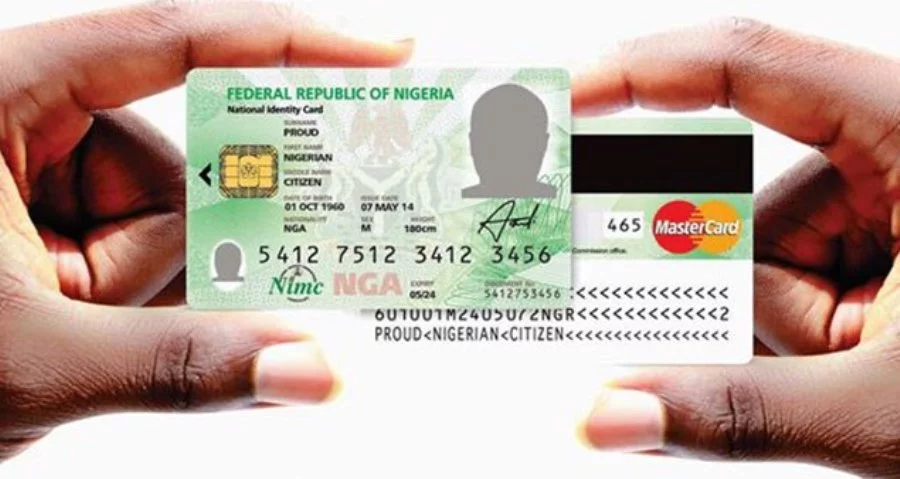
The Director-General of the National Identity Management Commission (NIMC), Abisoye Coker-Odusote, has explained why kidnappers and terrorists may still evade detection despite the integration of the National Identification Number (NIN) into Nigeria’s security system.
Naija News reports that Coker-Odusote said criminal groups often frustrate tracking efforts by using mobile phones and SIM cards belonging to their victims instead of lines registered in their own names.
She spoke during an interview on Channels Television’s Sunday Politics.
The NIMC boss said the NIN remained the foundation of Nigeria’s identity and security infrastructure but noted that criminals had developed methods of concealing their identities.
Coker-Odusote said, “We already know the NIN is the foundational identity for the security architecture, but a lot of the time, you find out the kidnappers use the phones of the people they have abducted.
“Which means, how do you trace them because they are not using their own phones?”
According to her, the use of victims’ devices and registered SIM cards makes it difficult for investigators to immediately establish the true identities of those behind abductions.
Foreign Suspects May Be Outside Database
Coker-Odusote also raised the possibility that some kidnappers could be brought into Nigeria shortly before carrying out attacks and might, therefore, not have been captured in the country’s identity database.
She further stated, “There is a theory that it may be possible that these kidnappers are not Nigerians and are brought into the country 48 or 72 hours before a kidnapping takes place, specifically for that purpose.
“I’m not insinuating anything, but if that were the case, they naturally would not be captured in our database. Those are some of the scenarios we have.”
She stressed that the suggestion was only one of several possible explanations for why some suspects remain difficult to trace.
The NIMC director-general maintained that the NIN continued to play an important role in identity verification and criminal investigations despite attempts by offenders to evade detection.
The NIN is an 11-digit unique number issued to Nigerians and legal residents by the commission under the National Identity Management Commission Act, 2007.
It serves as the country’s foundational digital identity and is used to verify individuals across public and private sector services.
The Federal Government has also made the linkage of SIM cards to NIN mandatory as part of efforts to strengthen identity management, improve security investigations and curb crimes committed through telecommunications networks.
Apart from security purposes, the NIN is required for passport applications, opening bank accounts, obtaining driver’s licences and accessing several government services and programmes.
Author:

Report an error in this article

NIMC Launches Portal To Ease NIN Registration

‘Every Nigerian Must Matter’ – Tinubu Flags Off NINAuth App, Says Credible National ID Crucial

FG Upgrades NIN Portal For Nigerians In Diaspora
Stop Selling Your NIN For ₦1500, ₦2000 – NIMC Warns Nigerians
NIMC Restores NIN Verification Services After System Upgrade

