
‘Nigeria Helped Secure South Africa’s Freedom’ – Reps Fume Over Xenophobic Attacks
 Follow on Google News

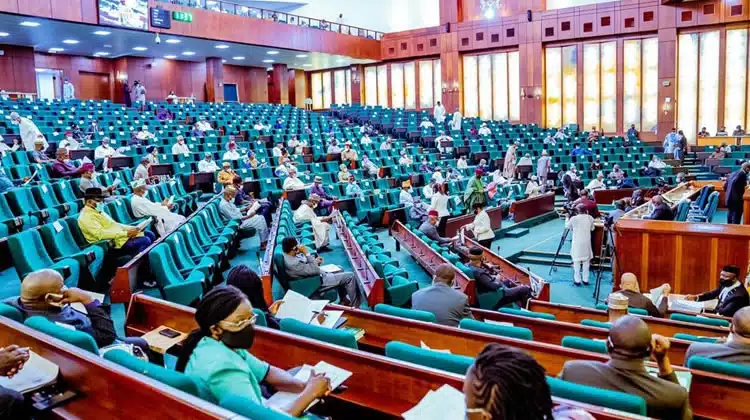
The House of Representatives on Thursday called on the Federal Government to impose strong diplomatic measures against South Africa over renewed xenophobic attacks, extrajudicial killings and alleged systematic persecution of Nigerians and other African nationals in the country.
The lawmakers also demanded a review of Nigeria’s bilateral relations with South Africa, warning that aspects of diplomatic and economic cooperation could be suspended or recalibrated until Pretoria provides “credible, measurable and verifiable guarantees” for the safety of Nigerians.
Naija News reports that the resolution followed the unanimous adoption of a motion of urgent public importance sponsored by the member representing Kanke/Kanam/Pankshin Federal Constituency of Plateau State, Yusuf Gagdi.
The motion, titled “Need for the Federal Government of Nigeria to Immediately Respond to the Escalating Xenophobic Attacks, Extrajudicial Killings and Systematic Persecution of Nigerians and Other African Nationals in the Republic of South Africa,” was considered during plenary presided over by the Deputy Speaker, Benjamin Kalu.
Nigeria Can No Longer Remain Silent – Gagdi
Moving the motion, Gagdi said Nigeria could no longer remain silent in the face of repeated attacks on its citizens despite years of diplomatic engagements with the South African authorities.
“The House is aware that the Republic of South Africa has, over the years, witnessed repeated waves of xenophobic violence directed against Nigerians and other African nationals, resulting in the loss of innocent lives, destruction of businesses, unlawful arrests, forced displacement and widespread fear,” he said.
The lawmaker said recent reports indicated a fresh escalation of attacks against African migrants living in South Africa.
“Recent reports indicate a fresh escalation of attacks targeting Nigerians, Ghanaians, Zimbabweans, Zambians, Mozambicans, Malawians and other African nationals lawfully residing in South Africa,” he added.
Gagdi said the Federal Government had confirmed the recent deaths of two Nigerians, including one person who allegedly died in police custody.
“The Federal Government of Nigeria has confirmed the recent killing of two Nigerian citizens, including one who reportedly died while in police custody and another who was brutally murdered in front of his business premises,” he stated.
According to him, the incidents had again exposed Nigerians and other African nationals to serious danger despite repeated diplomatic engagements between Abuja and Pretoria.
“These tragic incidents have once again exposed Nigerians and other Africans to grave danger despite repeated diplomatic engagements between Nigeria and South Africa,” he said.
‘Nigeria Helped Secure South Africa’s Freedom’
Recalling Nigeria’s leading role in the campaign against apartheid, Gagdi described the continued attacks on Nigerians as disturbing and unacceptable.
He said Nigeria provided diplomatic, financial, humanitarian and political support to the anti-apartheid struggle.
“Nigeria was one of the foremost nations that stood firmly against apartheid through diplomatic leadership, huge financial support, humanitarian assistance and sustained political pressure that contributed immensely to the liberation of South Africa.
“Thousands of Nigerians made sacrifices, while successive Nigerian governments committed enormous national resources in support of the anti-apartheid struggle, believing in the ideals of African solidarity, justice and freedom.
“It is, therefore, profoundly disturbing that Nigerians and other Africans now face persecution, humiliation and violent attacks in a country whose freedom they helped secure,” Gagdi said.
The Plateau lawmaker expressed concern that xenophobic attacks had become recurrent and increasingly deadly.
“Xenophobic violence has become recurrent, systematic and increasingly deadly,” he said.
He added that the attacks had persisted despite assurances from the South African government that foreign nationals would be protected.
“The repeated attacks have continued despite previous assurances by the Government of South Africa that adequate measures would be taken to guarantee the safety of foreign nationals,” he stated.
Gagdi lamented that perpetrators of attacks on African migrants often escaped prosecution.
“Innocent Africans continue to lose their lives while criminal perpetrators often escape justice, thereby encouraging impunity,” he added.
Gagdi also criticised comments allegedly made by a South African junior minister, describing inflammatory statements capable of worsening tensions as unacceptable.
“Any inflammatory or hateful public statement capable of inciting hostility against Nigerians or other African nationals, as presented by the South African junior minister, is irresponsible, unacceptable and capable of aggravating an already volatile security situation,” he said.
He warned that the recurring attacks were undermining African unity and the ideals upon which the African Union was founded.
“The continued attacks undermine the ideals of African unity, pan-Africanism, regional integration and peaceful coexistence upon which the African Union was founded,” he added.
The lawmaker warned that continued failure to address the violence could further endanger Nigerians and embolden perpetrators.
He said the continued inaction of the South African government “may embolden perpetrators and weaken confidence in regional institutions established to protect African citizens.”
Contributing to the debate, Billy Osawaru, representing Edo State, urged the Federal Government to intensify diplomatic pressure on South Africa.
“Some measures must be taken to address this problem. We are worried that despite the engagement between our government and that of South Africa, the xenophobic attacks have continued, with the South African security architecture looking away. The blood of our innocent citizens is on the hands of these security personnel,” Osawaru said.
Moshood Akiolu, a Lagos lawmaker, also recalled Nigeria’s sacrifices during the anti-apartheid struggle.
“The money we spent to put an end to apartheid could have been used for something else,” he said.
Akiolu called on the National Assembly to invite officials of the South African High Commission in Nigeria to explain measures being taken to guarantee the safety of Nigerians.
Reps Seek Tougher Measures
Ghali Tijjani, representing Kano State, called for stronger action against the South African government, arguing that the attacks had continued for too long.
“The attacks against Nigerians did not start today. We cannot keep maintaining diplomatic and economic ties with a country that is doing nothing to stop the killing of Nigerians in its territory,” he said.
Also speaking, Adebayo Adepoju, representing Ibarapa Central/Ibarapa North Federal Constituency of Oyo State, called for international legal action and financial support for affected Nigerians.
“There must be a way to address the injustice being done to our people. We must seek the help of international law to seek redress. We must also find a way to assist them to start life again because beginning afresh will not be easy for most of them,” Adepoju said.
Reps Demand Probe, Summon South Africa Envoy
Following the adoption of the motion, the House urged the Federal Government to summon the South African High Commissioner to Nigeria to “provide a comprehensive explanation regarding the recent killings and to clearly communicate the official position of the Government of South Africa on the protection of Nigerians and other African nationals.”
The lawmakers also demanded, “an independent, transparent, impartial and internationally monitored investigation into the deaths of the affected Nigerians and all other African victims, with a view to ensuring that all perpetrators are identified, prosecuted and punished.”
The House urged the Federal Government to engage the African Union, the Southern African Development Community, the United Nations and the African Commission on Human and Peoples’ Rights to ensure accountability and the protection of African migrants in South Africa.
It also called on the government to invoke available diplomatic and legal mechanisms to seek redress for proven violations of international obligations owed to Nigerians, including appropriate international judicial processes where necessary.
The lawmakers further urged the Federal Government to review Nigeria’s bilateral relations with South Africa and, where necessary, suspend or recalibrate aspects of cooperation until credible guarantees are provided for the protection of Nigerians and other African nationals.
The House also called for strengthened consular services, legal assistance, emergency evacuation arrangements and reintegration support for Nigerians who choose to return home.
It resolved to constitute an ad hoc committee to engage the South African Parliament, the South African government, the African Union and other relevant institutions.
The committee is expected to investigate the recurring attacks and report back to the House within 21 days.
Xenophobic attacks in South Africa have remained a recurring source of diplomatic tension between Abuja and Pretoria for more than a decade.
Major outbreaks in 2008, 2015 and 2019 claimed several lives and led to the destruction of businesses owned by foreign nationals, including Nigerians.
Although South African authorities have repeatedly condemned the violence and promised greater protection for migrants, concerns have persisted over the safety of foreign nationals and the prosecution of those responsible for the attacks.
Author:


President Tinubu Writes Reps, Denies Assent To Two Bills

Reps Probe Crisis As Nigerian Embassy Accused Of Aiding Human Trafficking In Mali
Unlike Senate, Reps Probe ₦1.3 Billion Budget Allocation To ‘Non-existent’ PFIPC
Rowdy Session In House Of Reps Over Motion To Summon Tinubu

Aircraft Technical Fault Stalls Evacuation Of Nigerians From South Africa

