
Government Knows Location Of Bandits – Sani Bello
 Follow on Google News
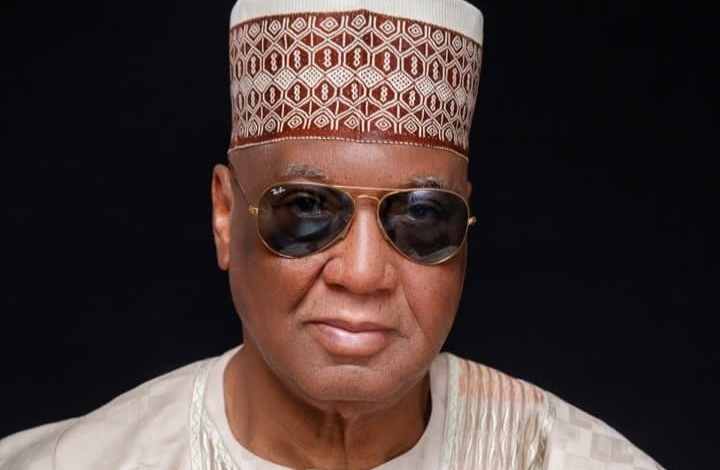
A former military governor of the old Kano State, Colonel Sani Bello (retd), has claimed that the Federal Government know the locations of notorious bandit leaders and possesses the capacity to eliminate them.
Bello asserted that Nigeria has the intelligence, equipment, and military capability required to confront armed groups effectively.
Naija News reports that Bello made the claim in an interview with Premier Radio Kano over the weekend.
He urged the Federal Government to integrate police personnel into military operations and recall retired soldiers to strengthen the fight against banditry and insurgency across Nigeria.
“Wherever these bandits are hiding, the government knows their locations. Security personnel know exactly where they are and how to reach them.
“If someone insults the Kano State governor today, they can be tracked by the following day because the authorities know their location. Yet bandits such as Turji continue to make provocative statements despite their whereabouts being known.
“Even an ordinary citizen can use Google Maps to locate places. Why then can’t the government? I maintain that the security agencies know where these criminals are.”
Bello insisted that Nigeria has the intelligence, equipment, and military capability required to confront armed groups effectively.
“The government may have its reasons for not pursuing and eliminating them one after another, but no one is above the authority of the state if there is the political will to act.
“They know where these criminals are and have the equipment needed to track them. How can they continue using mobile phones or appearing on social media if they cannot be traced?
“Some people argue that Nigeria lacks the weapons to prosecute this war effectively. That is simply not true. We have surveillance drones, artillery capable of striking targets within a 25-kilometre range, and military aircraft. Do the bandits have aircraft? They do not. They cannot match the sophisticated weapons and technology available to the government,” he said.
The retired army officer and diplomat, who governed the old Kano State between 1975 and 1978, however, commended troops on the front lines, saying they were overstretched because of the scale of insecurity across the country.
“Our troops are doing their best. Insecurity has spread across many parts of Nigeria, making the task increasingly difficult. We need to increase troop numbers substantially and treat this as a national emergency rather than addressing it in a piecemeal manner,” he said.
Drawing on his experience during the Nigerian Civil War, Bello recalled how the country rapidly expanded its military strength by recruiting personnel from the then Native Authority Police, popularly known as ’Yan Doka, and recalling retired servicemen.
“Before the civil war, the Nigerian Army, including the Biafran side, had barely more than 10,000 personnel. Federal forces numbered just over 8,000 at the outbreak of the war. Through intensive recruitment, the strength of the army grew to more than 200,000 by the end of the conflict,” he explained.
According to him, police officers would require only limited additional training before deployment because they already possess basic military discipline.
“If police personnel are integrated into the military, they do not need to be taught basic drills. What they require is combat orientation, weapons handling, and battlefield tactics, which can be completed within a week,” Bello said.
Video: Police Officer Caught Drinking Hennessy During Stop-And-Check

Gun Battle In Owo As Police Stop Kidnappers From Abducting Pastor

Police Debunk Circulating List Of Suspects Arrested Over Oyo State Kidnappings

More Details Emerge On How INEC Official Leaked Emeka Ike’s Voter Data To Wike’s Aide On WhatsApp
It Was To Gain Followers – Tiktoker Speaks On Viral Bandit Attack