
How Abacha’s Kitchen Cabinet Targeted Four Generals, Plotted Babangida’s Arrest — Abdulsalami
 Follow on Google News
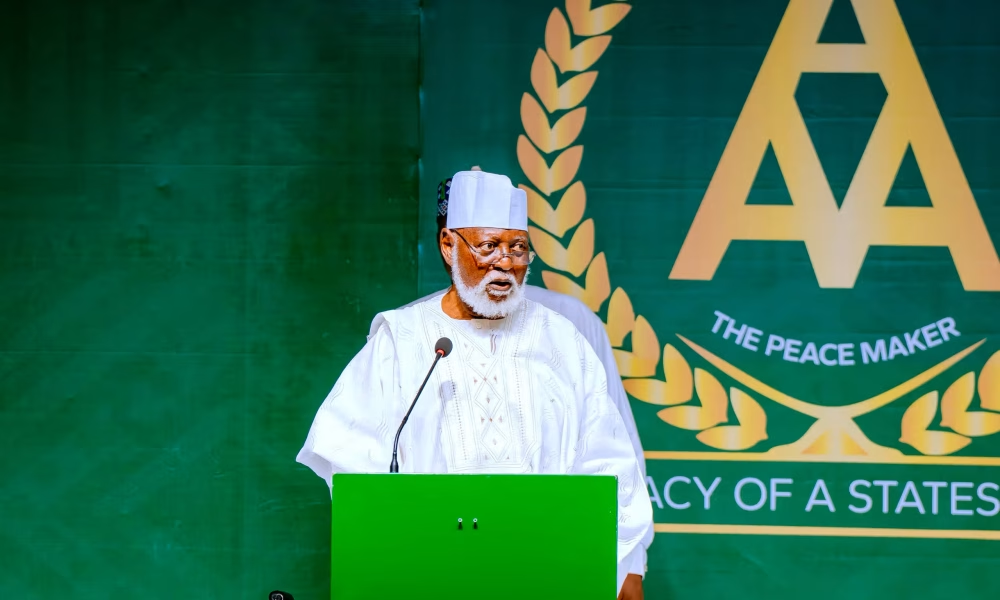
Former Head of State, General Abdulsalami Abubakar (retd.), has revealed that a powerful clique of military officers surrounding the late Head of State, General Sani Abacha, repeatedly pushed for the retirement of some senior military officers and even proposed the arrest of former military president, General Ibrahim Babangida.
Naija News understands that Abdulsalami made the disclosure in his autobiography, Call of Duty, unveiled on Saturday during activities marking his 84th birthday at the Presidential Villa, Abuja.
The book launch also featured two companion volumes, Nigeria’s Grand Patriot and Mediating for Peace in Africa.
The event attracted prominent national figures, including President Bola Tinubu, represented by Vice President Kashim Shettima; former Head of State General Yakubu Gowon, who chaired the occasion; and former Presidents Olusegun Obasanjo and Goodluck Jonathan.
In the memoir, Abdulsalami offered fresh insight into the inner workings of the Abacha administration, describing the existence of a powerful informal group that wielded considerable influence around the late military ruler.
According to him, members of the group repeatedly pressured Abacha to remove certain senior military officers from government and public life.
“To be fair, General Abacha was loyal to his friends,” Abdulsalami wrote.
“A caucus that sprang up when he became Head of State didn’t want to see some faces around and often insisted that some officers be retired.”
He identified those allegedly targeted as Lt.-Gen. Jeremiah Useni, Lt.-Gen. Garba Duba, Maj.-Gen. Mohammed Haladu and himself.
“All the time, four of us who were slated for retirement survived because Abacha was devoted to friendship. Ironically, all those hawks were retired before us. They became a pain in Abacha’s neck, and he had to get rid of them,” he stated.
The former military ruler said he later confronted Abacha over the influence of the clique and advised him to dissolve the group.
“In one of our conversations, I told him that he needed to disband the group of officers that formed the clique around him,” he recalled.
According to him, Abacha initially wanted him to speak directly to the officers, but he declined.
“He initially wanted me to talk to them and ask them to be careful, but I refused and insisted that he should be the one to speak to them. Finally, one by one, he retired them from the military,” Abdulsalami said.
Abdulsalami also revealed that some members of the group proposed the arrest of Babangida.
According to him, Abacha rejected the suggestion and demanded to know what offence the former military president had committed.
“They said charges could always be found after his arrest,” Abdulsalami disclosed.
The former Head of State further revealed that senior government officials repeatedly advised Abacha to release the presumed winner of the June 12, 1993 presidential election, Chief Moshood Abiola.
He said several officials urged the late military ruler to meet Abiola and seek a political solution to the crisis generated by the annulment of the election.
“We asked him to release Abiola from detention and to discuss with him one-on-one the way forward,” he wrote.
However, Abdulsalami said Abacha rejected the proposal.
“Abacha did not give our advice any positive consideration,” he stated.
He acknowledged that despite internal disagreements, ultimate authority rested with the Head of State.
“No matter what I say, I cannot deny that I was his CDS and a member of the Provisional Ruling Council (PRC). But the final decision was the Head of State’s to make,” he added.
Abdulsalami also claimed that several major decisions during the Abacha era were taken outside formal government structures.
Although the Provisional Ruling Council met regularly, he said many issues had already been decided by members of the informal inner circle before reaching the council.
The former military leader further disclosed that reports linking Abacha to massive funds stashed abroad initially came as a surprise to him.
He said the Abacha he knew was prudent in government spending and meticulous about accountability.
According to him, it was only towards the end of his administration in 1999 that documents detailing transfers linked to Abacha’s family and associates were presented to him.
He said he was later informed that the funds were allegedly moved abroad as a safeguard against possible international sanctions.
Abdulsalami also denied long-standing allegations that he received $500m after Abacha’s death.
“I want to put it on record that nobody gave me $500 million or any amount, bigger or smaller,” he stated.
The former Head of State said the clarification was part of efforts to address persistent misconceptions surrounding that period of Nigeria’s history.
Although his administration lasted less than a year, Abdulsalami supervised Nigeria’s transition from military rule to democratic governance in 1999, culminating in the birth of the Fourth Republic.
Many speakers at the book launch described that transition as his most enduring legacy.
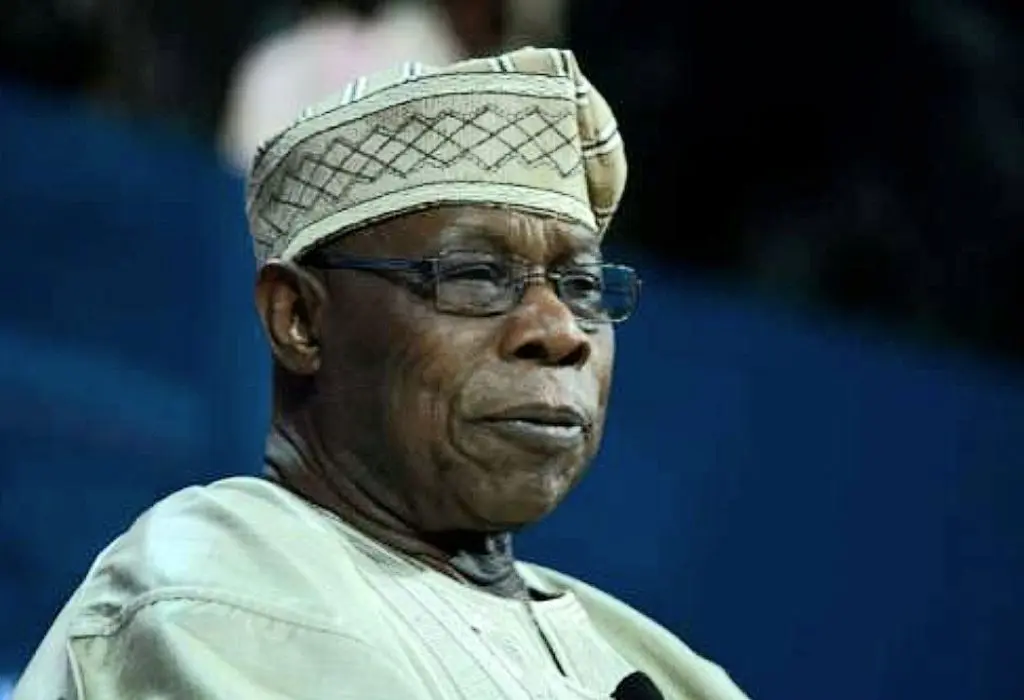
Abdulsalami Was Working To Release Abiola Before His Death – Obasanjo
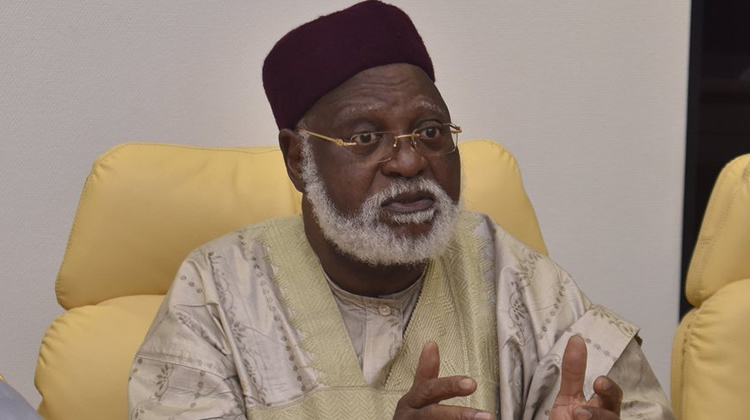
Abdulsalami Recalls ‘Fishy’ Events Before Abacha’s Death

Abacha’s Death: I Was Deceived To Villa, Locked In A Room – Former Head Of State Reveals

Former Head Of State Reveals Fresh Details On MKO Abiola’s Death

‘I Did Not Kill Him’ – Ex-DSS Director Reveals What Caused Sani Abacha’s Death

