
Tinubu’s Reforms Have Failed Poor Nigerians – SDP Candidate, Adebayo Claims
 Follow on Google News
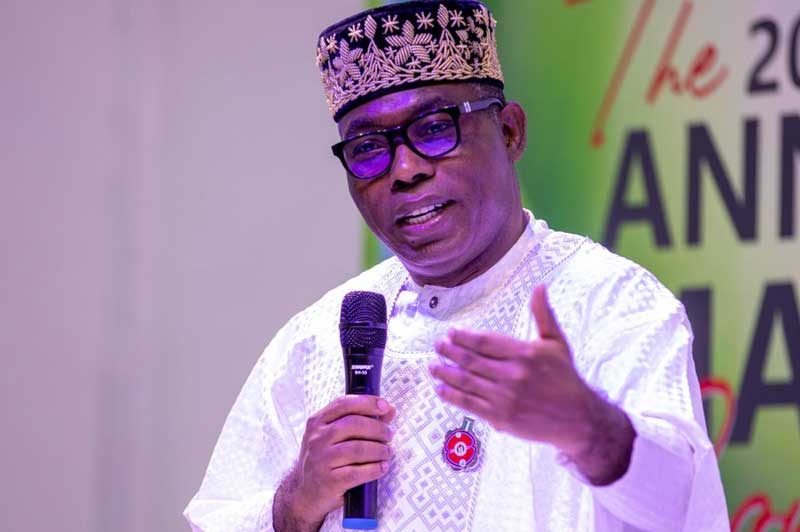
The presidential candidate of the Social Democratic Party (SDP), Adewole Adebayo, has again criticised the administration of President Bola Tinubu over the level of hardship and poverty in the country.
Adebayo, in a post on his verified 𝕏 handle on Tuesday, June 9, said poverty should not be accepted as Nigeria’s destiny, arguing that the situation was the result of poor leadership and failed policies.
He maintained that Nigeria has enough resources to lift its citizens out of poverty if the country is governed with clear priorities, deliberate planning and policies that create opportunities for the people.
Adebayo said the country’s economic challenges could be reversed if the right leadership and policies were put in place.
According to him, the growing hardship being experienced by Nigerians is not natural but a consequence of choices made by those in power.
“Poverty is not Nigeria’s destiny. It is the result of failed leadership and it can be defeated with the right government, the right priorities and the right plan,” Adebayo stated.
The SDP candidate said many Nigerians had continued to suffer despite the reforms introduced by the Tinubu administration.
He noted that after three years of economic reforms, millions of citizens were still battling rising prices, weak purchasing power and difficulty accessing basic needs.
In another post, Adebayo accused the Tinubu administration of failing to translate its reforms into meaningful relief for Nigerians.
He said the country still had a high poverty rate, while many households could no longer afford food.
“Three years of Tinubu reforms and we still have 63% poverty, with millions unable to buy food.
“The problem in Nigeria is not a lack of resources. It is a lack of opportunities and a failure by those in power to ensure that growth reaches the people,” he wrote.
Adebayo argued that economic growth would remain meaningless if it did not improve the lives of ordinary Nigerians.
He insisted that government policies must be judged by their impact on citizens, especially the poor and vulnerable.
Naija News reports that Adebayo’s comments followed reports that the International Monetary Fund (IMF) had warned of risks surrounding Nigeria’s plan to borrow up to $5bn through a derivatives agreement with First Abu Dhabi Bank.
The IMF reportedly raised concerns that such transactions are often opaque and complex.
Nigeria’s Senate had, in April, approved the agreement, joining other African borrowers such as Senegal and Angola, which have also turned to similar arrangements in the past year.
The development has added to concerns over the country’s debt strategy and the wider impact of government economic policies on citizens.
Adebayo maintained that Nigeria’s challenge was not the absence of resources but the inability of those in power to create opportunities and ensure that economic benefits reach the people.

Court Remands Man Calling For Coup Against Tinubu

Tinubu Orders Urgent Return Of Nigerian Prisoners From Ethiopia

Corrupt Officials Have No Place To Hide, They’ll Be Punished – Tinubu

Tinubu Releases ₦10 Billion Emergency Fund As Ebola Threat Looms

Tinubu Losing Northern Support, Atiku, Obi Not Credible Alternatives — ACF

