
Budget Office Defends Tax Reform Acts, Warns Against Speculation Over Alteration Claims
 Follow on Google News

The Budget Office of the Federation has defended the integrity of Nigeria’s newly enacted Tax Reform Acts, warning against what it described as governance by speculation following allegations that the laws were altered after passage.
In a press release made available to Naija News on Wednesday, the office noted concerns raised by the Minority Caucus of the House of Representatives, stressing that the sanctity of the law is fundamental to constitutional democracy and not merely a procedural issue.
The statement signed by Tanimu Yakubu, Director-General of the Budget Office of the Federation, said any suggestion that a law could be modified after debate, passage, authentication, and presidential assent, without due process, would strike at the core of the Republic and undermine citizens’ right to be governed by clear and stable laws.
However, it cautioned that the careless amplification of unverified claims also threatens democratic integrity.
“A nation cannot be governed by insinuation or sustained on circulating documents of uncertain origin,” the statement said, adding that public confidence, once shaken by speculation, is often difficult to restore.
The agency noted that both government and citizens share a common interest in truth, clarity and due process, stressing that public finance relies heavily on trust in the legality and clarity of fiscal laws.
It welcomed the National Assembly’s decision to investigate the allegations, describing institutional inquiry, rather than conjecture, as the appropriate response to claims of illegality.
On public access to the law, the Budget Office agreed that Nigerians and the business community are entitled to clear and authoritative texts of all laws they are required to obey.
It clarified, however, that the authenticity of legislation is determined by certified legislative records and official publication processes, not informal or viral reproductions.
The statement underscored the importance of the separation of powers and warned that claims that Nigeria is being governed by “fake laws,” if not supported by established facts, could erode confidence in democratic institutions.
At the same time, it stressed that legislative scrutiny should not be dismissed by the executive, noting that oversight is a constitutional duty and not an act of hostility.
From a fiscal perspective, the Budget Office said legal certainty is essential for revenue projections, macroeconomic stability, budget credibility and investor confidence.
While noting that it is not the custodian of legislative records, the office said uncertainty around operative tax provisions directly affects economic planning.
To rebuild confidence, the office proposed measures, including publishing verified reference texts in a single public repository, providing orderly access to Certified True Copies for stakeholders, providing clear public explanations when discrepancies are alleged, and ensuring strict alignment of all implementing regulations with authenticated legal texts.
Addressing calls to suspend the tax reforms, the Budget Office warned against allowing prudence to slide into paralysis.
It argued that properly implemented tax reform is necessary to reduce dependence on borrowing and inflationary financing and to ease indirect burdens on vulnerable citizens.
“Where clarification is required, it must be provided; where correction is required, it must be effected; where investigation is required, it must proceed,” the statement said, adding that governance and reform should not be stalled by unresolved conjecture.
The office concluded by characterising taxation as a democratic covenant binding citizens and the state, emphasising that compliance depends on transparency and trust.
It urged political actors to protect institutions as much as positions, while calling on citizens and businesses to rely on verified sources and resist the spread of unauthenticated information.

Pay Your Taxes – Tinubu Tells Nigerians, Says Infrastructure Delivery Depends On Compliance

Senate Approves Price-based Tax On Sugary Drinks

PAYE Tax, Stakeholder Concern And Country Development, By Tony Monye
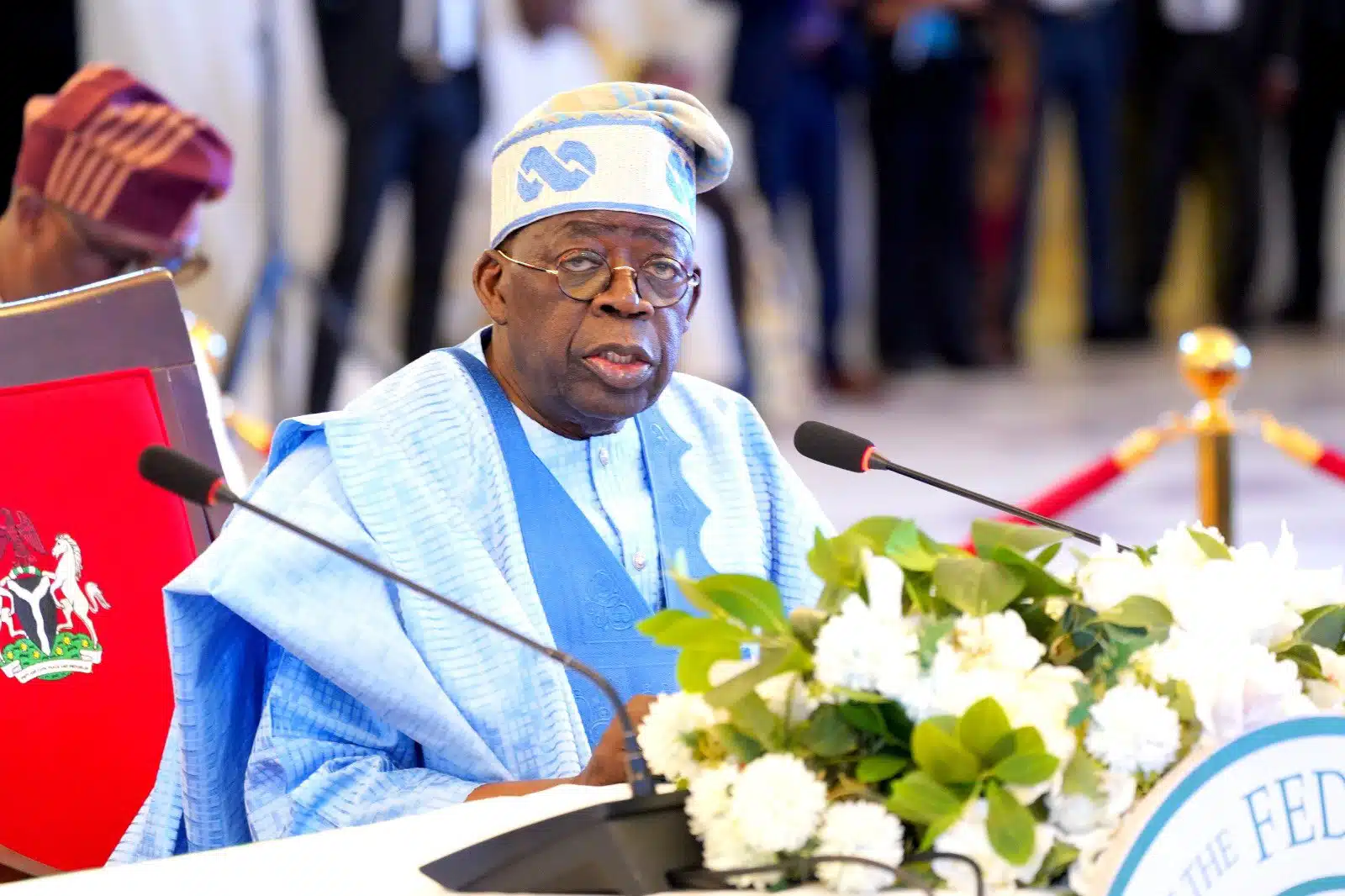
‘You Want Well-equipped Hospital But Don’t Want To Pay Taxes’ – Tinubu

‘No New Vehicle Tax’, Arewa Forum Clarifies, Warns Against Fake Levies
